Shakes, Shingles, Metal, Torch Down, and Single Ply: A Plain-English Guide to Valley Roofs
Different buildings need different roofs, and knowing the basic types makes it easier to understand a quote or a leak.
October 8, 2026 · 4 min read
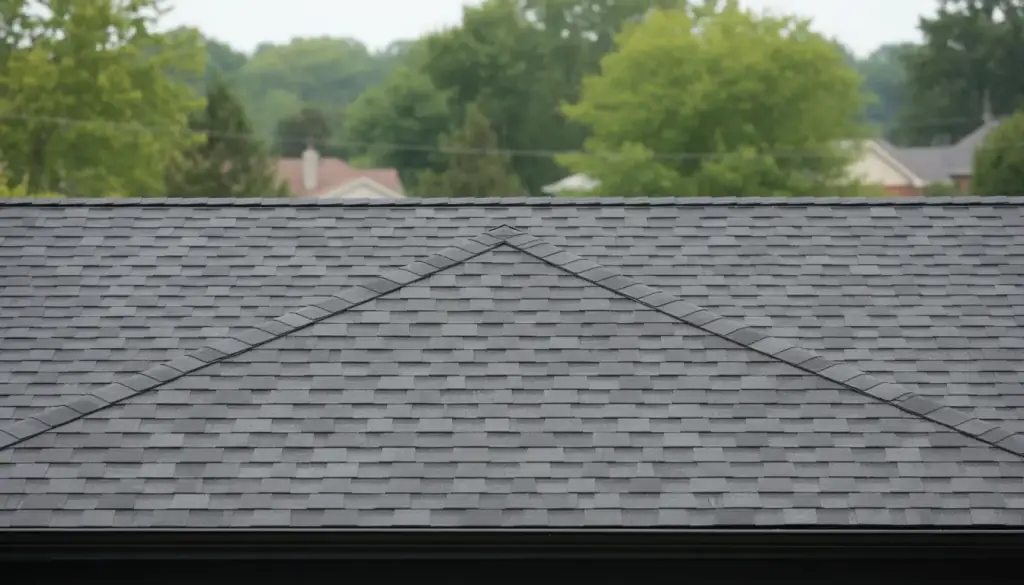
Walk through any Yakima Valley neighborhood and you'll see a mix of roofs. Pitched ones with shingles, a few with real wood shakes, metal on a shop or a barn, flat roofs on commercial buildings. They look different, and they behave differently too. Here's a plain-English look at the systems we work on, and what to know about each.
Steep roofs: shingles and shakes
Composition shingles are the most common roof on houses. The name covers asphalt-based shingles with a mineral surface, laid in overlapping rows so water runs down and off. They are practical, familiar to every roofer, and come in many colors. When people say shingle roof, this is usually what they mean.
Architectural shingles are a heavier, thicker version of the same idea. They have a layered, dimensional look rather than a flat one, and they tend to hold up well against wind and sun. Many homeowners choose them for a roof that looks a bit more substantial. If you're getting a new roof on a typical house, you'll probably be offered both.
Wood shakes are split wood, and they give a house a distinct natural look. They need more attention than most roofs. Shaded areas can hold moisture, and splits and cupping show up as they age. A shake roof can last a good while with care, but it isn't a roof to ignore.
Metal roofing
Metal roofs are made from steel or similar panels fastened over the roof deck. They shed water and snow easily, which is part of the appeal on homes, shops, and outbuildings. They're also available in a range of profiles and colors.
Metal isn't maintenance-free. The fasteners, seams, and flashing details still need an occasional look, since that's where leaks tend to start. Because we also run a full service shop with plasma cutting, welding, and metal fabrication, metal is a material we know well from both sides of the trade.
Flat and low-slope roofs
Flat roofs are not truly flat. They have a slight slope so water can drain, and that low pitch changes everything. Water moves slowly, so the roof surface has to be fully sealed rather than just overlapping. Commercial buildings, shops, additions, and some homes use these systems. Three types come up most often.
- Torch down: a roll of modified asphalt sheeting that's heated at the seams with a torch so it fuses into one continuous layer. It's a time-tested approach for low-slope roofs.
- Hot roofs: built-up systems made of layers of asphalt and reinforcing material, applied hot, that build a thick, waterproof surface in several layers.
- Single ply: a single, factory-made sheet of flexible membrane that is rolled out and sealed at the seams. It's lighter than a built-up roof and common on commercial buildings.
On any of these, the seams and edges are where most trouble begins. A flat roof that holds water after rain, or shows blisters and open seams, is asking for attention. In some cases a coating can renew an aging flat roof that's still solid underneath. A roofer can tell you which situation you have.
Other materials you may see
Our product list also includes slate and tile roofs. Both are heavy, long-lived materials, more common on certain styles of building. They look great and can last a long time, but they need to be installed by someone who understands the weight and the flashing details, and repairs need to be handled carefully so nothing gets cracked.
Composite roofs, on the other hand, are made from engineered materials designed to mimic the look of shake, slate, or tile with less weight or maintenance. If you like a particular look but not the upkeep, they're worth asking about.
How to choose
There's no single best roof. The right one depends on your building, your budget, how long you'll own it, and what you like to look at. A few things to weigh:
- The shape and slope of the building. A low-slope roof needs a system built for low slope.
- How long you plan to stay. A longer stay can justify a more durable material.
- Appearance. Some neighborhoods and homeowners care a lot about it.
- Upkeep. Some materials need regular attention, others very little.
- Weight. Heavier materials need a structure that can carry them.
Pricing varies by material, size, and the condition of what's underneath, so we won't quote numbers here. Call for a quote and we'll work through the options with you.
Brands and what we offer
We carry major roofing brands, and when you work with us you can choose among them. We can also help you find the products that best suit your needs and taste. We specialize in residential and commercial roofing, and we work with shakes, compositions, shingles, architectural shingles, single ply, hot roofs, and torch down, to name a few.
If you're weighing materials for a new roof, give us a call at (509) 452-0676 or look at our New Roofs page. We'll tell you what we'd put on your building and why.
Superior Roofing, LLC, (509) 452-0676
Call (509) 452-0676More articles
Buying a House in the Yakima Valley? What a Roof Cert Is and Why Your Lender Asks for One
A roof cert is a short report on the condition and remaining life of a roof, and it's best ordered before you're locked into the purchase.
What a Yakima Roof Goes Through From Fall to Spring, and the Check That Catches Trouble Early
Most winter leaks start as small fall problems, and most of them can be spotted before the first hard freeze.