Buying a House in the Yakima Valley? What a Roof Cert Is and Why Your Lender Asks for One
A roof cert is a short report on the condition and remaining life of a roof, and it's best ordered before you're locked into the purchase.
October 8, 2026 · 4 min read
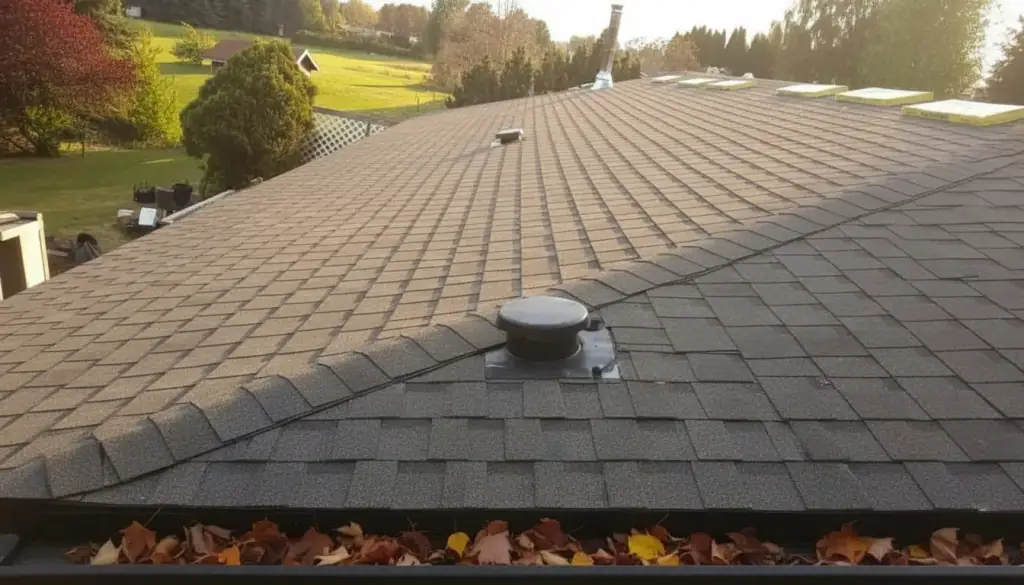
You found a house in the Yakima Valley. The kitchen is fine, the yard is big enough, and the price is close. Then your loan officer mentions a roof cert, and you realize nobody has ever asked you to think hard about the roof of a house you don't own yet. Here's what that piece of paper is, why it matters, and how to get one without slowing your purchase down.
What a roof cert actually is
A roof cert is a roof inspection written up for a specific purpose: a home sale. A roofer climbs up, looks over the whole roof, and reports on its condition and how much life it likely has left. We describe ours this way: a roof inspection (roof cert.) verifying the life expectancy and condition of a roof. That's the whole idea. It's a professional opinion on paper, not a guess from the driveway.
It's different from the general home inspection you may also order. A home inspector covers the whole house, from the furnace to the outlets, and only has so much time to spend on any one part. A roofer looks at the roof and nothing else, and knows what a tired roof looks like up close.
Why your lender may ask for one
Our own website says a roof cert is required by most lending institutions. We can't speak for any particular bank or loan type, and rules differ from one lender to the next. The honest advice is simple: ask your lender early whether they want a roof cert on the house you're buying, and ask what they expect it to say.
The logic isn't hard to follow. The house is what backs the loan. A roof near the end of its life is a big expense waiting to happen, and a leaking roof can ruin the ceilings, insulation, and walls under it. A lender would rather know before closing than find out afterward.
It protects you, too. You're about to sign for a house, often for a long time. The roof is one of the most expensive parts to replace, and it's the one part you can't judge well from the ground.
What the roofer looks at
Every roof is a little different, but a good inspection walks the same ground each time:
- The roofing surface itself: cracked, curled, or missing shingles, worn shakes, or a membrane that's blistering or splitting on a flat section.
- Flashing around chimneys, skylights, vents, and anywhere a roof meets a wall. This is where a lot of leaks begin.
- Pipe boots, the rubber collars around plumbing vents, which tend to crack in the sun before the shingles wear out.
- Valleys and gutters, where water runs hardest and debris piles up.
- Roof edges and any past repairs, including patches that look like they were done in a hurry.
- Signs that water has already gotten in, such as stains on ceilings or in the attic, when the roofer can get to them.
The goal is a straight answer to two questions. What shape is this roof in today, and about how long will it keep doing its job?
Timing: do it before you commit
Here's how we put it on our site: this nominal cost can potentially save you thousands of dollars before you purchase. We won't put a number on it, because we don't know your house, but the timing point is real. A roof report that arrives while the deal is still open gives you options. After closing, it's just your roof.
If the report turns up a problem, you generally have a few choices. You can ask the seller to repair it, ask for a better price, plan the work into your own budget, or walk away. Which of those is open to you depends on your contract, so talk it over with your agent. The point is that you only get to choose while the purchase is still in motion.
Plan ahead for scheduling. Home purchases run on deadlines. Call a roofer as soon as you have an accepted offer, or even sooner if you're serious about a particular house, and ask how quickly they can get out to look.
How to read the results
Roofs usually land in one of three broad groups. Good condition with years left is the easy one. Serviceable but aging means you should plan for replacement down the road and keep an eye on it until then. Active problems, like missing shingles or failed flashing, need repair now, and the report should say where.
Ask the roofer to explain anything in the report you don't follow, and ask what they'd do first if it were their own house. A roofer who answers plainly is worth more than a long report full of jargon.
A short remaining life isn't automatically a deal breaker. Plenty of roofs get repaired and maintained for a long time. It just means that number belongs in your head when you decide what the house is worth to you. And keep the report. It's useful for your own records, and again when it's your turn to sell.
Who does these in the Valley
We're Superior Roofing, a second generation family-owned business in Yakima, serving the Yakima Valley since the mid-80's. Roof inspections for home buyers are one of the things we do, along with roof repair, coating, maintenance, and new roofs. We don't publish a price for the cert, so the way to find out is to call.
If you're in the middle of a purchase, give us a call at (509) 452-0676, or read our Roof Inspection page to see more of what we look at.
Superior Roofing, LLC, (509) 452-0676
Call (509) 452-0676More articles
What a Yakima Roof Goes Through From Fall to Spring, and the Check That Catches Trouble Early
Most winter leaks start as small fall problems, and most of them can be spotted before the first hard freeze.
Repair, Recoat, or Replace? How to Tell What Your Roof Actually Needs
The right fix depends on what is actually failing, so start with finding the cause rather than picking the biggest or smallest job.